
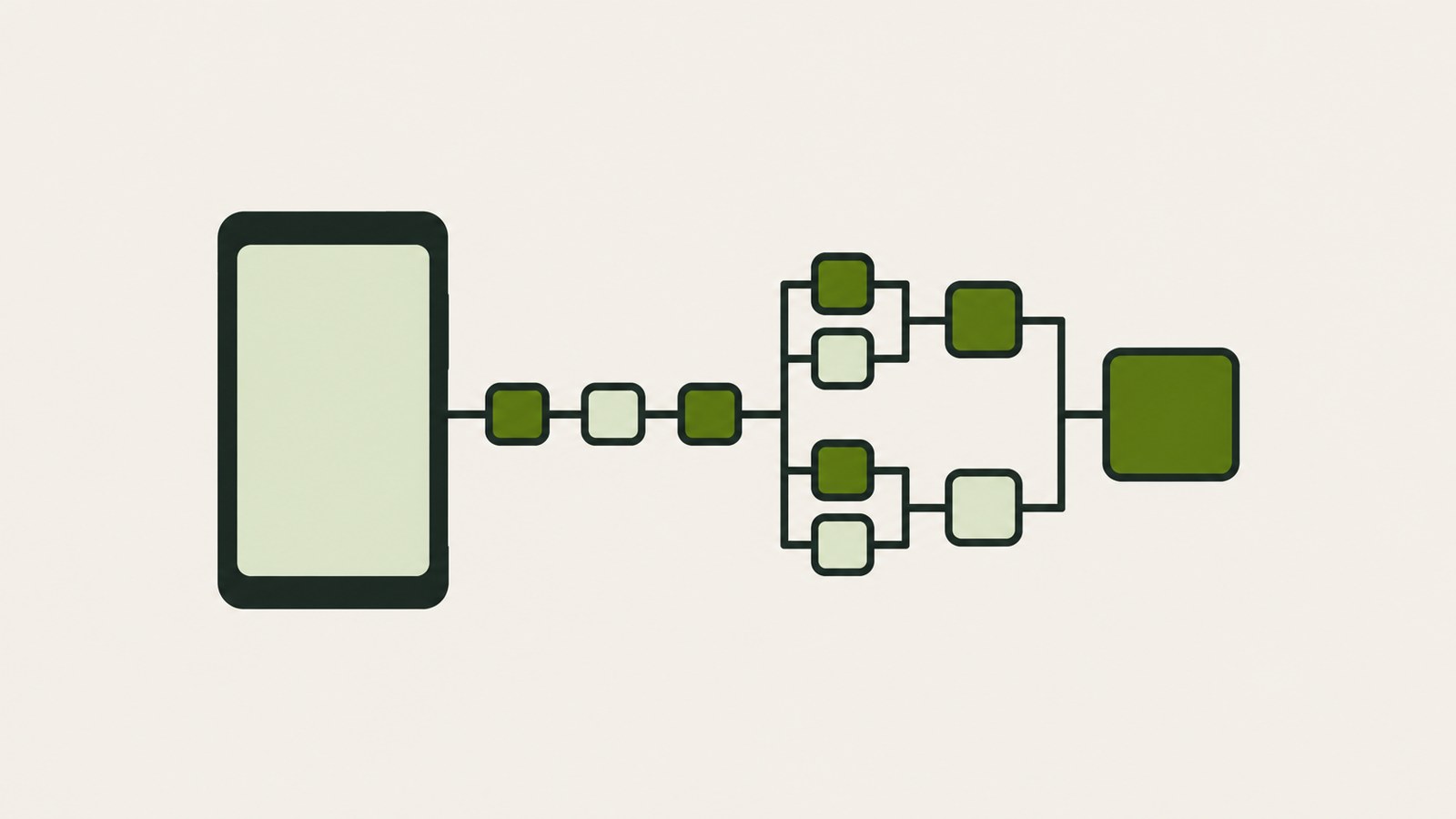
- Verification reached compiled Signal code, beyond protocol design.
- Experts reviewed the specification, and Lean checked the proof.
- Google DeepMind said it plans to share the verification artifacts with the community.
What AlphaProof code verification changed
AlphaProof code verification is a formal verification framework introduced by Google DeepMind. Formal verification uses mathematical proofs to show that code meets specified conditions.
This work examined more than the design of Signal’s cryptographic protocol. It proved that the compiled code installed on devices meets core security conditions.
| Verification scope | What it checks | Description |
|---|---|---|
| Design stage | Whether the protocol design meets the conditions | The scope most existing verification work has focused on |
| Compiled code | Whether the actual implementation meets security conditions | The scope of this Signal verification |
How people and AI agents divide the work
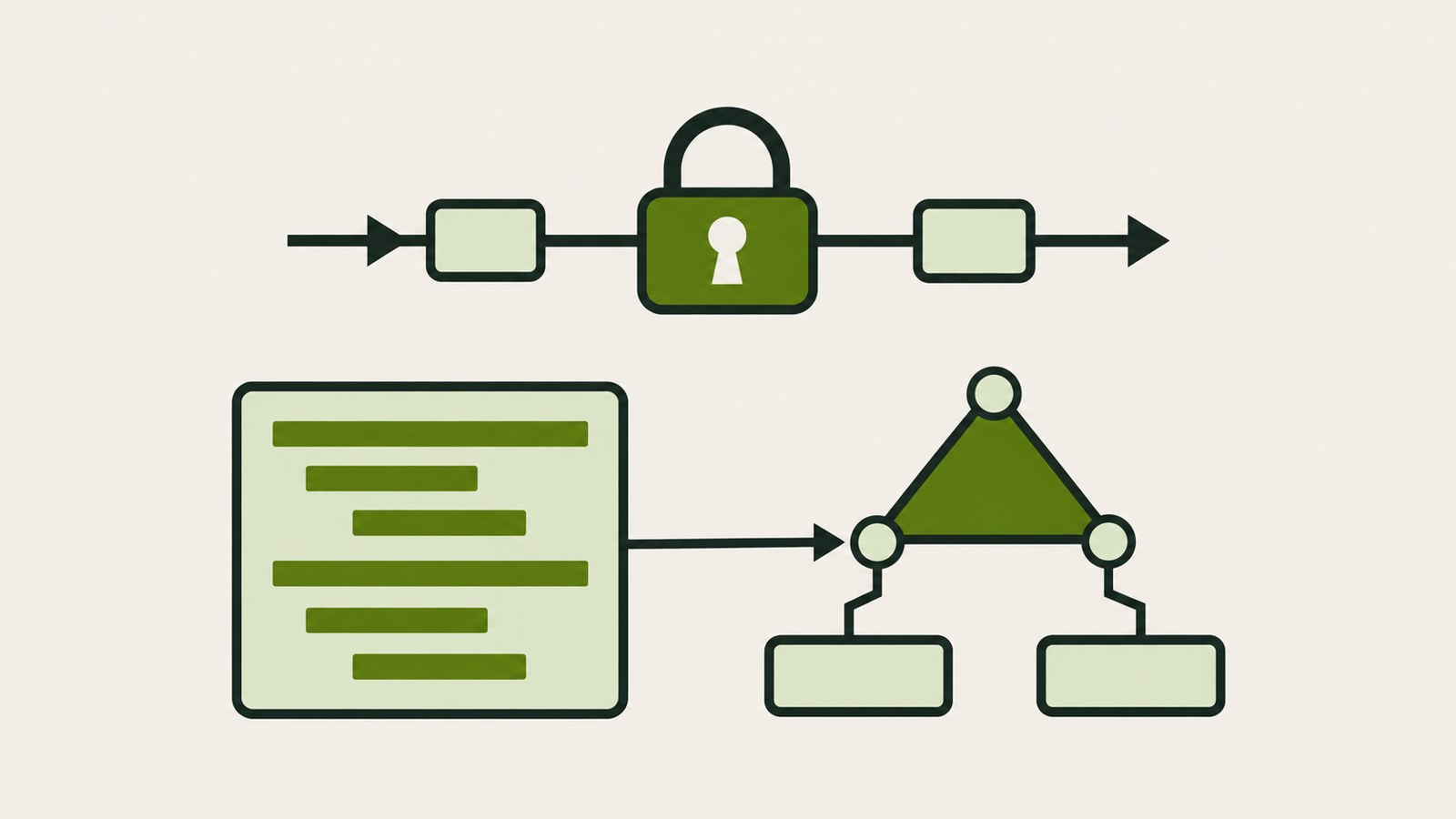
Researchers and AI models first translated Signal’s security goals into a mathematical specification. Experts reviewed each part of the specification, then AI agents generated the proofs.
The agents used Gemini Carbon to generate more than 6 million lines of Lean code. Lean is a programming language that mechanically checks proofs for errors.

- Researchers and models translate the security goals into a specification.
- Experts review the specification.
- AI agents generate Lean proofs.
- Lean checks the proofs, and the agents flag sections for review.
Which security conditions were checked
The verified conditions included properties that protect messages before and after a device is temporarily compromised. The work checked the code that runs on devices, rather than stopping at design documents.
The researchers also tested the verification method by reintroducing bugs that had previously been fixed in Signal’s code. In both cases, the system produced a machine-checked proof that the code was unsafe.
Who can use this approach
Researchers and development teams working on cryptographic protocols or other critical software may find this approach useful. Google DeepMind described it as a basis for extending the technique to systems such as medical device firmware and power grid software.
AlphaProof code verification was not presented as a feature users can switch on in Signal’s message settings. Google DeepMind said it would share the verification artifacts with the community, but its announcement did not include installation commands or supported versions.
The Signal work covered compiled implementation code as well as protocol design. Teams interested in using the method can check whether the published artifacts include Lean proofs and instructions for running them.
FAQ
Do I need to turn this on in the Signal app?
No. The announcement described research that verified the Signal protocol implementation. It did not describe a setting users can enable in the app.
Does verification still require human review?
Yes. Experts review the security specification, and people also examine the sections flagged by the agents.
Has the method already been used to verify other software?
Signal was the verification example in the announcement. Medical device firmware and power grid software were mentioned as possible future applications.
Were commands or supported versions published?
The announcement did not provide installation commands or supported versions. Google DeepMind said it would share the verification artifacts with the community.
댓글
댓글 쓰기